

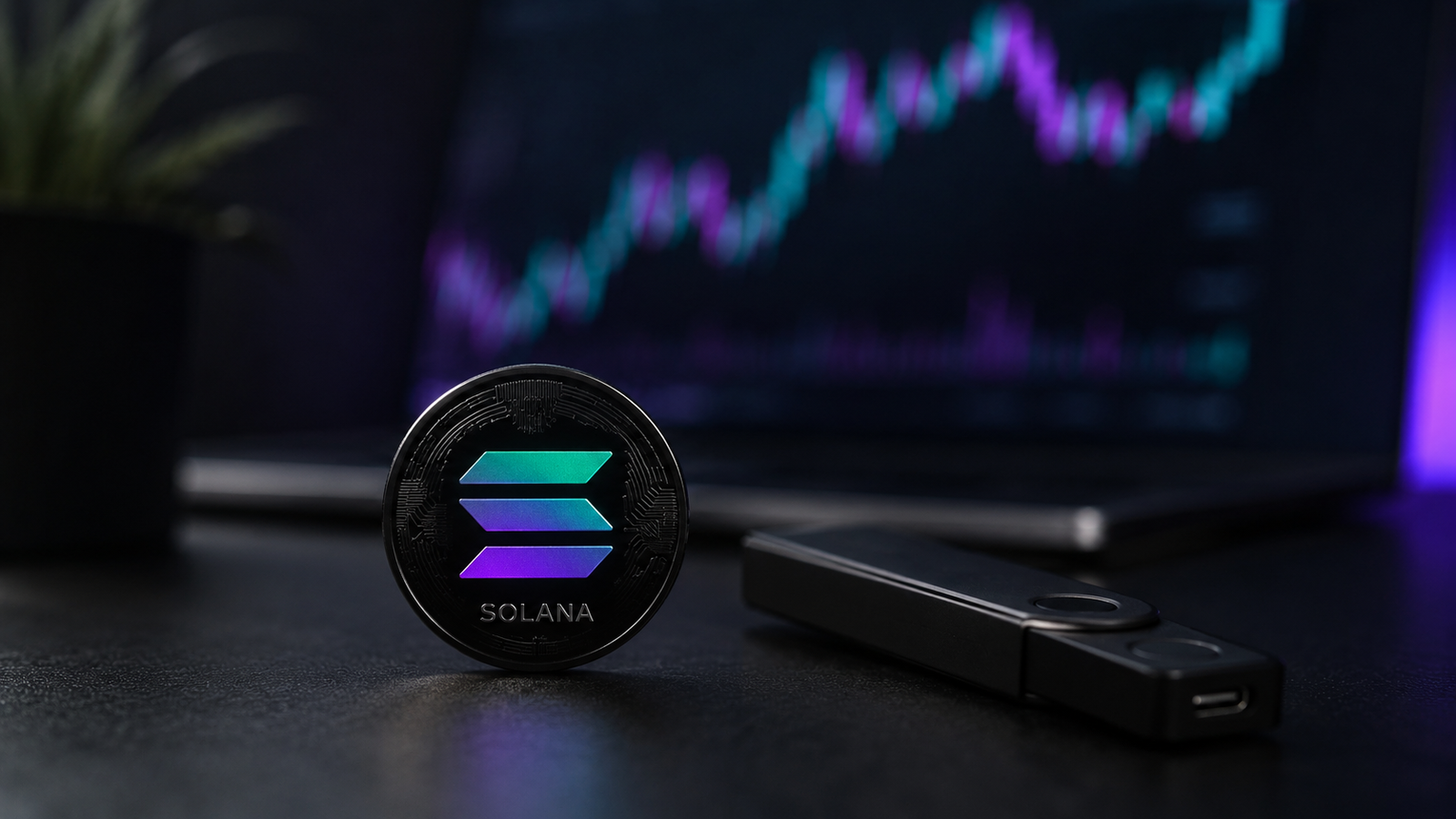
Solana Begins a Major Technical Turning Point
Solana has officially moved one of its biggest technical upgrades into testing, marking a critical moment for the network’s future. The consensus overhaul is being viewed as one of the most important changes in Solana’s history because consensus sits at the core of every blockchain. It determines how validators agree on transactions, how blocks are confirmed, and how quickly users can trust that their activity has been finalized. For Solana, a network already known for speed and low fees, improving consensus could strengthen its biggest advantage while addressing one of its most important long-term challenges: reliability.
This upgrade matters because Solana is no longer only competing for retail traders or meme coin activity. The network is trying to become serious infrastructure for payments, stablecoins, tokenized assets, institutional finance, DeFi, AI agents, and high-speed consumer applications. All of these use cases require more than fast transactions. They require stable finality, predictable performance, and confidence that the network can operate under heavy demand. Testing this consensus upgrade is therefore not just a developer milestone. It is a major step toward Solana’s next phase of growth.
Why Consensus Is So Important
Consensus is the mechanism that allows a blockchain to function without one central authority. Validators must agree on the correct state of the network, confirm transactions, and protect the chain from invalid activity. If consensus is slow, unstable, or inefficient, users may face delays, failed transactions, or uncertainty. If consensus is strong, the network becomes more reliable, scalable, and trustworthy.
For Solana, consensus has always been closely tied to its performance identity. The network was designed to process transactions quickly, but speed becomes valuable only when it is paired with dependable settlement. A major consensus overhaul aims to improve how the network reaches agreement, which could reduce friction and make Solana more suitable for high-value applications. This is especially important for institutions that cannot rely on infrastructure that feels unpredictable.
Testing Shows Solana Is Preparing for Scale
The fact that the overhaul is now live for testing shows that Solana developers are moving from theory into execution. Testing is a vital stage because major blockchain upgrades cannot be rushed. A consensus system affects the entire network, so developers must examine performance, validator behavior, edge cases, security risks, and potential stress points before any full rollout. A smooth test phase can build confidence, while problems discovered early can be fixed before they reach users.
This careful approach is important because Solana has faced criticism in the past around outages and performance reliability. While the network has improved significantly, reputation is built through consistent execution. A successful consensus upgrade could help show that Solana is maturing into a more resilient blockchain, capable of handling larger and more serious workloads.
Faster Finality Could Improve User Experience
One of the most important potential benefits of a consensus overhaul is faster and stronger finality. Finality means a transaction is confirmed with enough certainty that users and applications can treat it as settled. In payments, trading, DeFi, and tokenized markets, finality is extremely important. Users do not want to wait or wonder whether a transaction will remain valid.
If Solana’s new consensus design improves finality, the user experience could become smoother across the ecosystem. Traders may benefit from faster settlement. Payment apps may become more reliable. DeFi protocols may operate with greater confidence. Institutions may view Solana as a stronger candidate for serious financial infrastructure. Better finality can therefore improve both technical performance and market perception.
Institutional Adoption Depends on Reliability
Solana has been making strong moves toward institutional adoption, including stablecoin expansion, privacy frameworks, payment partnerships, and tokenized market infrastructure. But institutions need dependable systems before they move serious capital on-chain. A bank, payment company, or asset manager will not choose a blockchain only because it is fast. It must also be secure, stable, and predictable during periods of high demand.
This consensus overhaul could help Solana answer those concerns. If testing proves successful, the network may strengthen its case as an institutional-grade blockchain. That would support Solana’s broader goal of becoming infrastructure for real-world financial activity rather than remaining known mainly for speculative trading.
The Risk of a Major Upgrade
A consensus overhaul also carries risk. Major upgrades are complex because they touch the foundation of the network. Bugs, delays, validator coordination problems, or unexpected performance issues could slow progress. That is why testing is so important. Solana must prove that the new system works under realistic conditions before it becomes part of the main network experience.
Investors should also understand that technical progress does not always create instant price action. A successful test may improve long-term confidence, but SOL price will still depend on liquidity, market sentiment, adoption, developer activity, and broader crypto conditions. The real value of this upgrade may appear over time as applications and institutions gain more confidence in the network.
The Bigger Picture for Solana
The launch of Solana’s biggest consensus overhaul for testing shows that the network is entering a serious infrastructure phase. Solana already has speed, strong user activity, and growing developer interest. Now it must prove that it can deliver reliability at scale. If the upgrade succeeds, it could become one of the most important milestones in Solana’s evolution.
For Solana, the future depends on turning technical performance into real-world adoption. Consensus improvements may not be visible to everyday users, but they can make the entire network stronger beneath the surface. That is exactly what Solana needs as it competes to become a core blockchain for global payments, DeFi, tokenized assets, and high-performance applications.
FAQs
What is Solana’s consensus overhaul?
Solana’s consensus overhaul is a major upgrade to the way validators agree on transactions and finalize blocks. It is designed to improve performance, reliability, and settlement confidence across the network.
Why is this upgrade important?
The upgrade is important because consensus is the foundation of blockchain security and reliability. A stronger consensus system can help Solana support more serious applications and institutional use cases.
Does testing mean the upgrade is fully live?
No, testing means the upgrade is being evaluated before full deployment. Developers need to check performance, security, validator behavior, and possible issues before a wider rollout.
Could this help SOL long term?
Yes, it could help SOL long term if the upgrade improves network reliability, attracts more developers, supports institutional adoption, and strengthens confidence in Solana’s infrastructure.