


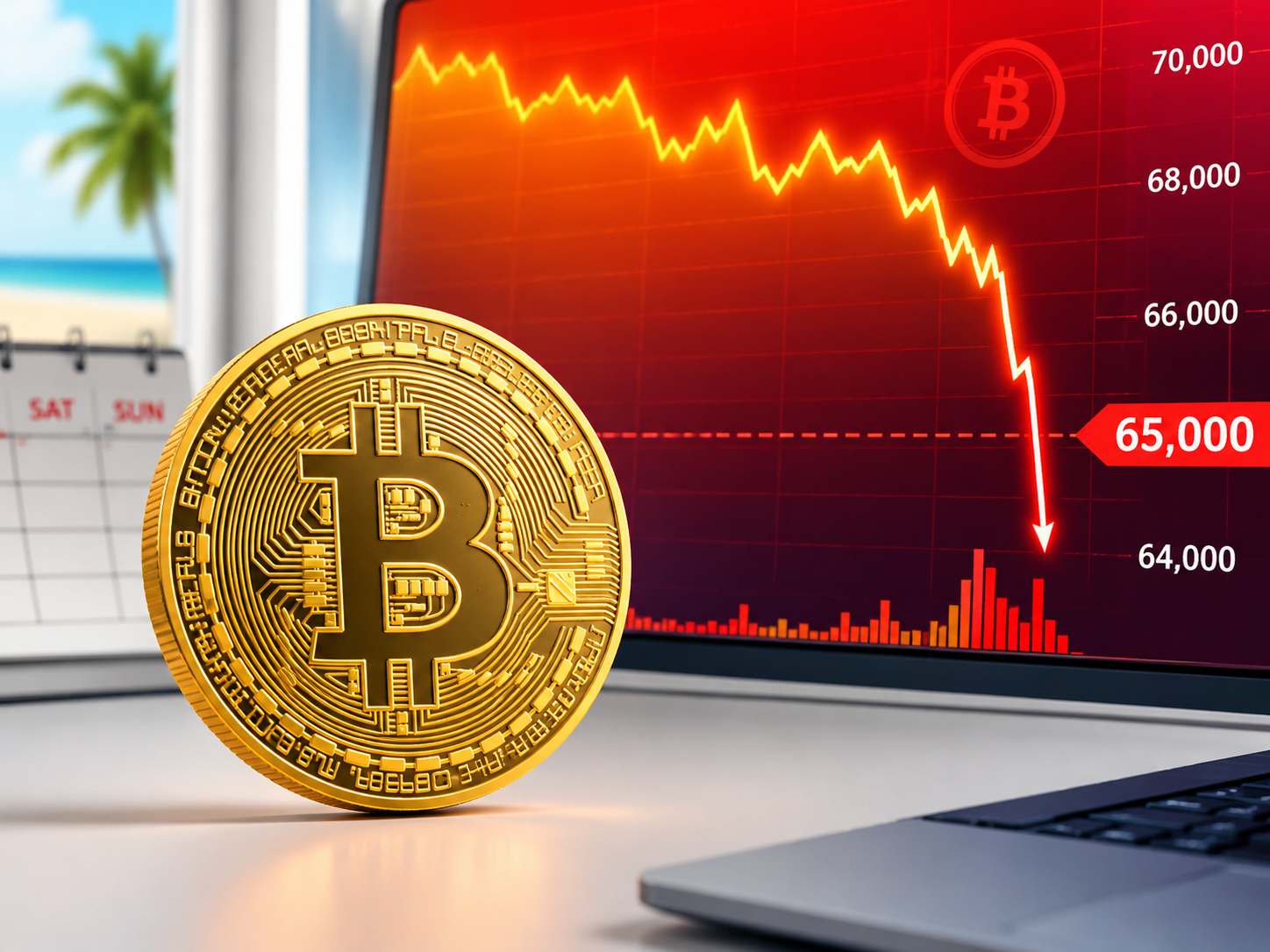
Bitcoin’s Shock Drop Was a Macro Reaction
Bitcoin’s sudden 7% decline after Trump’s strike on Iran looked like another crypto-driven panic at first glance, but the deeper reason had little to do with Bitcoin itself. There was no major blockchain failure, no exchange collapse, no protocol exploit, and no sudden change in Bitcoin’s long-term supply story. Instead, BTC reacted like a high-liquidity macro asset caught in the first wave of geopolitical risk. When markets face a military shock, traders often sell what they can sell quickly, and Bitcoin is one of the easiest major assets to unload during weekend or overnight stress.
That is why Bitcoin did not behave like “digital gold” in the immediate aftermath. In theory, geopolitical uncertainty should strengthen the case for scarce, non-sovereign money. In practice, the first reaction during a sudden war headline is usually not philosophical. It is mechanical. Traders reduce leverage, cut risk exposure, raise cash, and protect portfolios. Bitcoin gets hit not because its long-term thesis changes, but because it sits in the liquid risk bucket when uncertainty explodes.
Oil Is the Real Transmission Channel
The most important link between Iran tensions and Bitcoin is oil. Iran sits near one of the most sensitive energy corridors in the world, and any escalation raises fears of disruption to oil supply, shipping routes, insurance costs, and regional stability. Even if supply is not immediately cut off, markets often price the risk before the actual damage appears. That means oil can jump, inflation expectations can rise, and investors can begin questioning whether central banks will be able to ease policy as quickly as expected.
For Bitcoin, that matters because higher energy prices can tighten global financial conditions. If oil rises sharply, inflation becomes harder to control. If inflation stays sticky, interest rates may stay higher for longer. Higher rates reduce appetite for speculative assets, especially those that do not produce income. Bitcoin may be scarce, but it does not pay dividends, coupons, or interest. In a rising-rate shock, traders often prefer cash, Treasuries, or defensive positions over volatile digital assets.
Why Bitcoin Sold Off Instead of Rallying
The selloff was painful because it exposed the difference between Bitcoin’s long-term narrative and its short-term trading behavior. Bitcoin bulls often argue that BTC should rise during geopolitical chaos because it is independent of governments and central banks. That argument may work over longer timeframes, especially if conflict leads to currency debasement, capital controls, or aggressive monetary easing. But the first market reaction is usually about survival, not ideology.
When a military strike hits the headlines, leverage becomes dangerous. Futures traders reduce exposure, market makers widen spreads, and liquidity dries up quickly. If the market is already fragile, even a moderate sell order can create a sharp move. Once Bitcoin starts falling, liquidations can accelerate the decline. This is how a macro shock becomes a crypto crash without any crypto-specific trigger.
The Weekend Liquidity Problem
Bitcoin trades 24/7, but that does not mean liquidity is equally strong at all times. Weekend and off-hours markets can be thin, especially when traditional finance is closed and many institutional desks are less active. During those windows, price can move aggressively because there are fewer deep bids available to absorb selling pressure. A geopolitical shock during low-liquidity conditions can therefore create a much larger move than the same headline might cause during normal trading hours.
This is one reason the drop looked so violent. Bitcoin did not need a full collapse in demand to fall 7%. It only needed risk managers, leveraged traders, and nervous holders to sell into a thinner market at the same time. Once support levels broke, the move likely became self-reinforcing as stop-losses and liquidations added more pressure.
The Dollar and Yields Matter More Than Crypto Headlines
The next phase for Bitcoin depends less on crypto news and more on how traditional markets respond. If the dollar strengthens, oil keeps rising, and bond yields move higher, Bitcoin could remain under pressure. That combination would suggest tighter financial conditions and weaker appetite for risk assets. In that environment, BTC may struggle even if long-term holders remain confident.
However, the opposite scenario is also possible. If the conflict does not escalate, oil cools, and markets begin pricing lower risk again, Bitcoin could recover quickly. BTC often sells first during panic and rebounds once the liquidity shock fades. The key is whether the Iran situation becomes a short-lived geopolitical scare or a longer inflation and energy-market problem.
Bitcoin’s Digital Gold Test Is Not Over
Bitcoin’s failure to rally immediately does not permanently destroy the digital gold narrative. It simply shows that BTC has not yet matured into a reliable first-response safe haven. Gold has centuries of crisis behavior behind it, while Bitcoin is still building its reputation. Institutions may believe in Bitcoin’s long-term scarcity, but many still treat it as a volatile risk asset during sudden shocks.
For Bitcoin to act more like digital gold, it needs to show resilience when macro fear rises. That means holding support during geopolitical events, attracting spot demand during uncertainty, and decoupling from high-beta risk assets when liquidity tightens. Until that happens consistently, Bitcoin will continue facing moments where its narrative says one thing and its price action says another.
What Traders Should Watch Now
The most important signals are oil prices, the dollar index, Treasury yields, ETF flows, funding rates, and liquidation levels. If oil continues rising and the dollar strengthens, Bitcoin may face more downside. If those pressures fade and ETF flows stabilize, BTC could begin rebuilding quickly. The market does not need perfect calm to recover, but it does need evidence that the macro shock is not turning into a broader liquidity crisis.
Bitcoin’s 7% dump was not really about Bitcoin. It was about oil, inflation, rates, liquidity, and risk management. That makes the next move harder to predict using crypto charts alone. Traders now have to watch the battlefield, the bond market, and the energy market just as closely as they watch BTC support levels.
FAQs
Why did Bitcoin fall after Trump hit Iran?
Bitcoin fell because traders reduced risk after a major geopolitical shock. The move was driven more by macro fears around oil, inflation, rates, and liquidity than by any Bitcoin-specific problem.
Why did Bitcoin not act like digital gold?
Bitcoin did not act like digital gold because, in sudden risk-off events, traders often sell volatile liquid assets first. BTC may have a long-term store-of-value narrative, but it still trades like a risk asset during immediate panic.
How does Iran affect Bitcoin prices?
Iran matters because conflict in the region can raise oil prices and inflation expectations. Higher oil and sticky inflation can keep rates elevated, which usually pressures risk assets like Bitcoin.
Can Bitcoin recover from this selloff?
Yes, Bitcoin can recover if the conflict does not escalate, oil prices cool, liquidity improves, and ETF flows stabilize. If the shock turns into a longer macro crisis, BTC may remain under pressure.