
Drift Rebuilds After a Major DeFi Crisis
Drift is entering a major recovery phase after securing $148 million in funding from Tether and partners following a massive exploit that shook confidence across the Solana DeFi ecosystem. The funding comes at a critical moment because the platform is not only trying to repair financial damage, but also rebuild trust among users, liquidity providers, traders, and institutional partners. In decentralized finance, recovering from an exploit is never only about replacing lost capital. It is about proving that the protocol can survive pressure, improve its systems, and return stronger than before.
The decision to replace Circle’s stablecoin with USDT adds another important layer to the story. Stablecoins are the foundation of DeFi liquidity, and choosing which stablecoin powers a platform can affect user confidence, trading depth, settlement efficiency, and institutional relationships. By bringing Tether deeper into its recovery plan, Drift is signaling that it wants stronger liquidity support and a more aggressive path back to market relevance.
Why the $148 Million Funding Matters
A $148 million funding package is significant because it gives Drift the resources needed to stabilize operations after a major exploit. When a DeFi platform suffers a large attack, users often withdraw funds quickly, liquidity dries up, and market makers reduce exposure. Without strong financial backing, even a popular protocol can struggle to recover. Fresh funding can help restore confidence by showing that major partners are willing to support the platform’s comeback.
This funding may also help Drift compensate affected users, strengthen liquidity pools, improve security systems, and rebuild trading infrastructure. The exact use of funds matters, but the broader signal is clear. Drift is not being abandoned after the exploit. Instead, powerful backers are stepping in to help the platform recover and continue operating inside the Solana ecosystem.
Tether’s Role Strengthens USDT’s DeFi Position
Tether’s involvement is important because USDT remains one of the most widely used stablecoins in crypto. It dominates many trading markets and serves as a major liquidity asset across centralized exchanges and on-chain platforms. By supporting Drift, Tether is strengthening its position inside Solana DeFi at a time when stablecoin competition is becoming more intense.
For Drift, using USDT may help attract traders who prefer the deepest and most familiar stablecoin liquidity. USDT’s large market presence can make it easier for users to move funds, trade pairs, and access liquidity across different platforms. In a post-exploit recovery, that familiarity can matter. Users are more likely to return if they trust the assets being used inside the protocol.
Why Replacing Circle’s Stablecoin Is a Big Shift
Replacing Circle’s stablecoin with USDT is not a small technical decision. It reflects a strategic shift in liquidity partnerships and stablecoin preference. Circle’s stablecoin has long been associated with regulatory alignment, institutional credibility, and transparency. USDT, on the other hand, is known for massive liquidity, global adoption, and deep trading integration. Drift’s move suggests that the platform is prioritizing liquidity depth and recovery speed as it tries to rebuild after the exploit.
This change could attract some users while making others cautious. Some institutions may prefer Circle-linked stablecoin infrastructure because of its compliance reputation. Other traders may prefer USDT because of its liquidity and wide market usage. Drift must now prove that the new stablecoin structure supports both safety and market efficiency.
The Exploit Changed Drift’s Priorities
Before the exploit, Drift’s main focus was growth, trading activity, and DeFi expansion on Solana. After the attack, the priority shifted to survival, security, and trust rebuilding. This is common after major DeFi incidents. A platform can no longer rely only on fast execution, strong volume, or user incentives. It must show that it understands what went wrong and has taken serious steps to prevent another crisis.
Security will be the most important part of Drift’s recovery. Users will want audits, better monitoring, stronger risk controls, and clear communication. Liquidity can return if incentives are strong, but trust only returns when users believe the platform is safer. The $148 million funding helps, but money alone cannot repair reputation. Drift must now show discipline and transparency.
What This Means for Solana DeFi
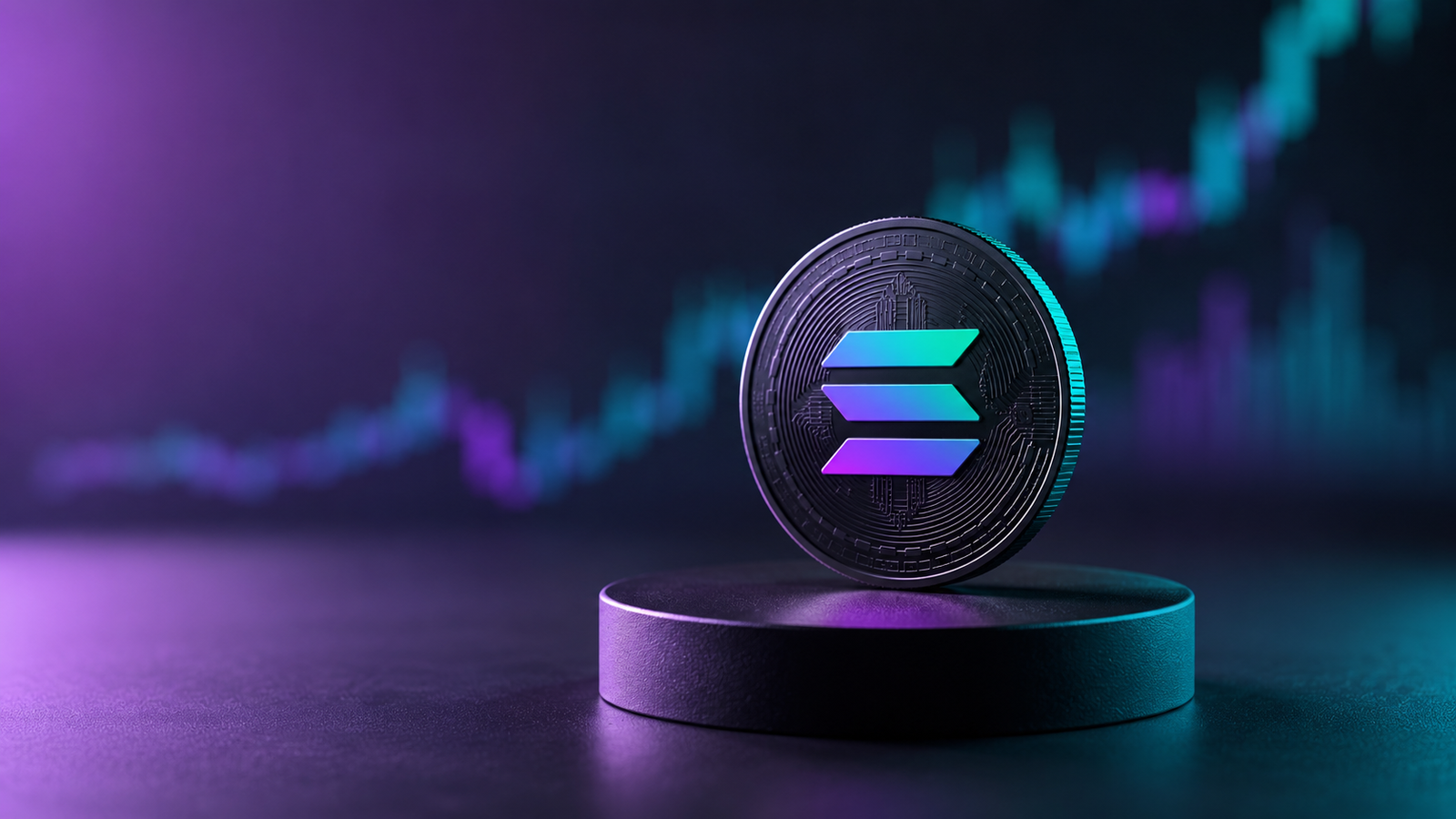
Drift’s recovery matters for the entire Solana ecosystem. Solana has been trying to prove that it can support serious DeFi, stablecoin payments, institutional applications, and high-speed financial markets. A major exploit damages that narrative, but a strong recovery could help restore confidence. If Drift successfully rebuilds with stronger security and deeper liquidity, it may show that Solana DeFi can survive major shocks.
However, the incident also reminds investors that fast blockchain infrastructure is not enough. DeFi platforms must be secure, well-funded, and prepared for crisis response. Solana’s long-term DeFi growth depends on protocols that can protect users and manage risk at scale.
The Bigger Picture
Drift’s $148 million funding from Tether and partners marks a major attempt to turn a crisis into a recovery story. The platform is trying to rebuild liquidity, restore user confidence, and reposition itself with USDT at the center of its stablecoin strategy. This could help Drift regain momentum, but the next phase will depend on execution.
For users and investors, the key question is whether Drift can prove that the exploit was a turning point rather than a permanent weakness. If the platform strengthens security and liquidity returns, Drift could become one of Solana DeFi’s most important comeback stories. If trust remains damaged, even major funding may not be enough.
FAQs
Why did Drift receive $148 million in funding?
Drift received the funding to support its recovery after a major exploit. The capital can help restore liquidity, improve security, support operations, and rebuild user confidence.
Why is Drift replacing Circle’s stablecoin with USDT?
Drift appears to be shifting toward USDT to access deeper liquidity and stronger support from Tether. USDT’s wide market adoption may help the platform recover trading activity more quickly.
Does this make Drift safe again?
Not automatically. Funding helps, but Drift must prove safety through stronger audits, better monitoring, transparent communication, and improved risk controls.
What does this mean for Solana DeFi?
It shows that Solana DeFi can attract major support after a crisis, but it also highlights the need for stronger security. Drift’s recovery will be an important test for confidence in Solana’s DeFi ecosystem.