


Bitcoin’s ETF Hype Meets a Harsh Reality
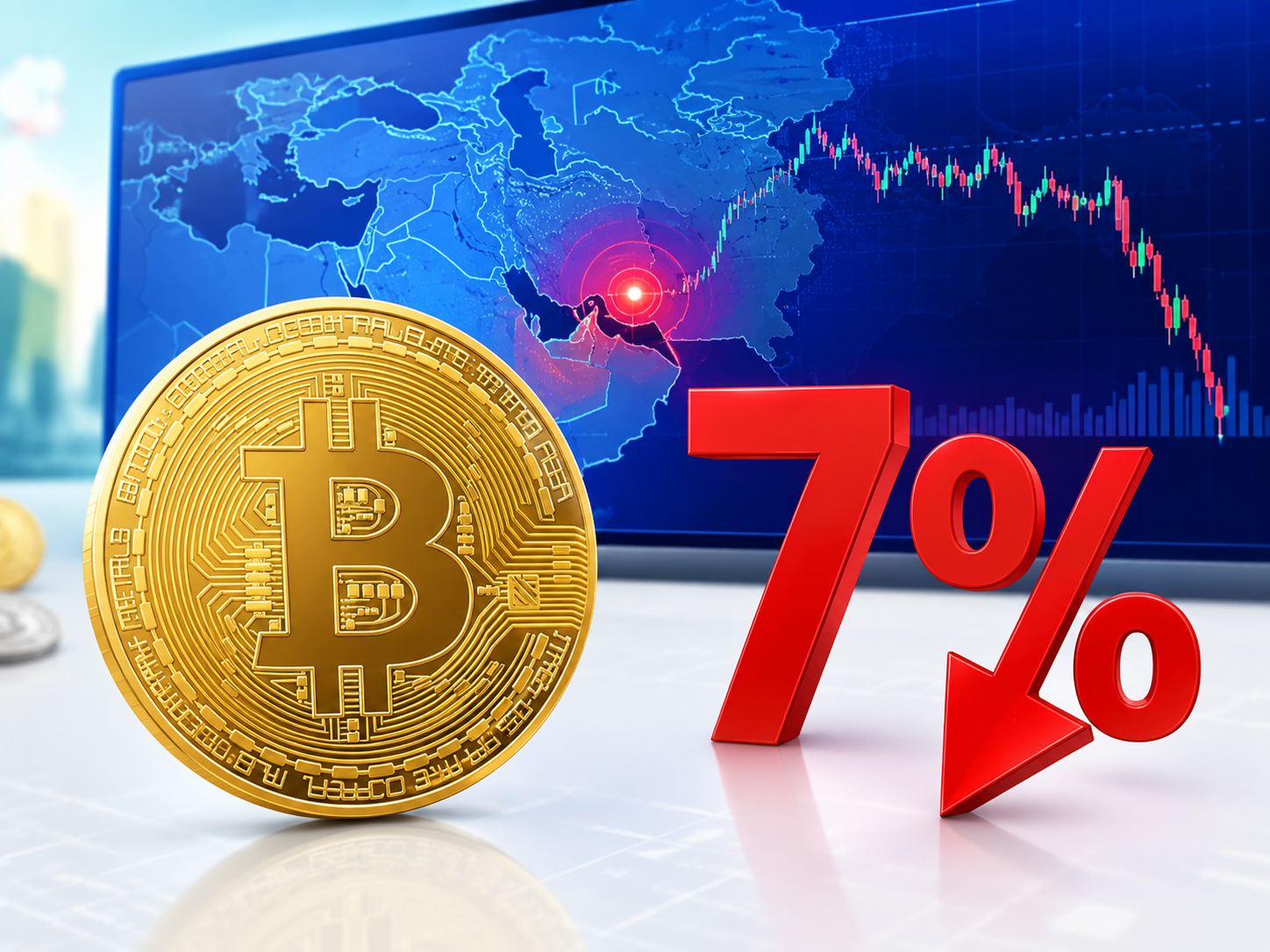
Bitcoin entered the ETF era with huge expectations. Many investors believed that once spot Bitcoin ETFs opened the door for traditional capital, BTC would become the ultimate institutional asset of the cycle. At first, that story looked powerful. Fresh inflows, mainstream attention, and rising prices helped push Bitcoin into record territory. But the latest market behavior is showing a very different picture. Bitcoin ETFs are now bleeding billions, while gold is quietly dominating the safe-haven trade with historic demand and dozens of new all-time highs.
This contrast is important because it reveals where institutional money is actually going during uncertainty. Bitcoin was expected to benefit from concerns about inflation, debt, currency weakness, and declining trust in traditional finance. Yet when fear increased, large investors did not rush into Bitcoin the way many crypto bulls expected. Instead, they moved heavily into gold. That shift suggests Bitcoin is still being treated more like a high-risk growth asset than a mature hedge.
Gold Wins the Safety Trade
Gold’s strength is not happening by accident. It has benefited from central bank buying, geopolitical tension, inflation concerns, currency uncertainty, and growing doubts about the long-term stability of government debt. When investors feel nervous, gold still carries a level of trust that Bitcoin has not fully earned. It does not depend on exchange infrastructure, ETF liquidity, internet-native custody, or speculative market cycles. It has a centuries-old reputation as a store of value, and in moments of stress, that reputation matters.
The fact that gold has made 53 new all-time highs while attracting around $559 billion in demand shows how powerful this rotation has become. Institutions are not simply looking for upside. They are looking for protection. Gold offers a familiar safe haven during periods when bond markets look unstable, equities look expensive, and currencies face pressure. Bitcoin may have the stronger long-term growth narrative, but gold currently has the stronger defensive narrative.
Why Bitcoin ETFs Are Losing Money
Bitcoin ETF outflows show that institutional access alone is not enough to guarantee constant demand. ETFs made Bitcoin easier to buy, but they also made it easier to sell. When risk appetite fades, investors can exit with a few clicks. This means ETF approval did not remove Bitcoin’s volatility problem. In some ways, it connected BTC more directly to traditional portfolio flows, where money managers quickly reduce exposure when conditions become uncertain.
Many investors who bought Bitcoin ETFs near cycle highs may now be protecting gains or cutting losses. Others may be rotating into assets that appear safer in a tighter liquidity environment. Bitcoin’s weakness also reflects broader macro pressure. Higher real yields, a strong dollar, weak risk sentiment, and concerns about global liquidity can all hurt BTC. While Bitcoin is often described as digital gold, it still trades more like a leveraged technology asset when markets become defensive.
Bitcoin Still Has a Trust Gap
The comparison with gold exposes Bitcoin’s biggest challenge: trust during crisis conditions. Crypto investors trust Bitcoin because of its fixed supply, decentralized design, and resistance to monetary debasement. Traditional investors, however, often judge assets by how they behave during stress. Gold has repeatedly proven itself in wars, inflation shocks, banking fears, and sovereign debt concerns. Bitcoin is still building that record.
This does not mean Bitcoin has failed. It means the asset is still young in institutional terms. Many large investors may like Bitcoin’s long-term story but remain unwilling to treat it as a core defensive holding. For them, Bitcoin is still volatile, sentiment-driven, and vulnerable to sharp liquidity shocks. Until BTC shows that it can hold value when everything else is under pressure, it will struggle to replace gold in conservative portfolios.
The “Digital Gold” Narrative Is Being Tested
Bitcoin’s digital gold narrative is now facing one of its most serious tests. The argument has always been simple: Bitcoin is scarce, portable, borderless, and independent of central banks. In theory, that should make it attractive during monetary instability. But markets do not move on theory alone. They move on behavior, liquidity, and confidence. Right now, gold is attracting defensive capital while Bitcoin ETFs are seeing exits.
The problem is not Bitcoin’s supply model. The problem is investor perception. Gold is viewed as protection first and speculation second. Bitcoin is still viewed as speculation first and protection second. That difference explains why money can leave Bitcoin ETFs even while flowing aggressively into gold. Investors may believe in Bitcoin’s future but still prefer gold when they need immediate safety.
What Could Change the Trend?
Bitcoin can still recover its institutional appeal, but it needs stronger evidence of stability. ETF outflows need to slow, long-term holders need to absorb supply, and BTC must prove it can build support without relying only on hype or leverage. If Bitcoin stabilizes while gold remains expensive, some investors may eventually rotate back into BTC for higher upside. But that rotation will likely require improving liquidity, calmer macro conditions, and renewed confidence in risk assets.
There is also a chance that gold’s massive rally eventually becomes overcrowded. If investors begin taking profits from gold, and Bitcoin is trading near major support, BTC could attract capital again. However, until that happens, the message from the market is clear. In the current environment, institutions want safety more than speculation, and gold is winning that battle.
The Bigger Lesson for Investors
The battle between Bitcoin and gold is not simply about which asset is better. It is about timing, psychology, and market conditions. Bitcoin may still be one of the most important long-term monetary assets of the digital age, but gold remains the first choice when investors want proven protection. ETF outflows do not destroy Bitcoin’s long-term case, but they do show that institutional adoption is not a straight line.
For now, Bitcoin is facing a difficult reality. It has the better growth story, but gold has the stronger crisis story. Until Bitcoin can prove that it behaves like a true safe haven during global stress, capital may continue to favor gold when fear rises.
FAQs
Why are Bitcoin ETFs seeing outflows?
Bitcoin ETFs are seeing outflows because investors are reducing risk, protecting gains, and rotating into safer assets. When market uncertainty rises, Bitcoin is often treated as a volatile risk asset rather than a defensive hedge.
Why is gold outperforming Bitcoin?
Gold is outperforming because investors trust it as a traditional safe haven. Central bank buying, geopolitical stress, inflation concerns, and currency uncertainty have all increased demand for gold.
Does this mean Bitcoin is not digital gold?
Bitcoin still has digital gold characteristics, including scarcity and decentralization. However, the market has not fully accepted it as a crisis hedge yet. For now, many institutions still treat Bitcoin as a high-risk asset.
Can Bitcoin ETFs recover?
Yes, Bitcoin ETFs can recover if market liquidity improves, risk appetite returns, and BTC stabilizes near major support levels. A slowdown in outflows could help rebuild confidence and attract fresh institutional demand.